Bathroom tiles do more than protect walls from moisture; they set the tone of the space. When selecting bathroom tiles, homeowners consider durability, slip resistance, maintenance, and style. This guide helps you navigate materials, patterns, installation, and upkeep with confidence, aligning with tried-and-true best practices and authoritative recommendations for lasting beauty and safety.
Materials: Ceramic, Porcelain, and Stone
Ceramic tiles are a versatile and affordable choice for walls and backsplashes. They are usually lighter and easier to cut, offering a broad range of colors and patterns. Porcelain tiles are a subtype of ceramic with higher density and lower water absorption, making them ideal for floors and wet zones where moisture resistance matters.
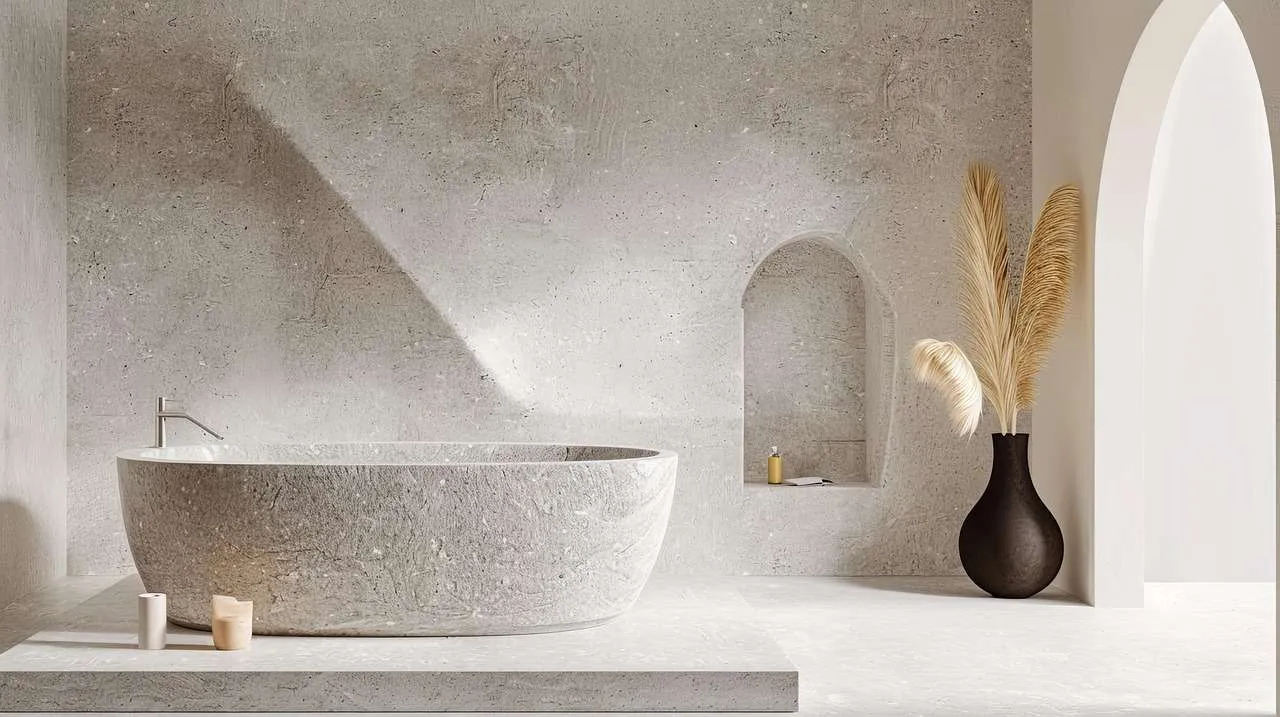
Natural stone such as marble, travertine, or slate provides a premium look but requires sealing and ongoing maintenance. Stone is porous and can scratch more easily, so plan for periodic resealing and careful cleaning. Glass tiles can accent a shower niche or backsplash, adding reflectivity but requiring careful installation to avoid lippage.
Durability and Maintenance
When selecting bathroom tiles, durability is linked to material and finish. Porcelain and dense ceramic offer strong performance in daily use. Stone demands more maintenance and sealing, especially in damp areas. For high-traffic showers, consider slip resistance and low water absorption ratings. Always follow manufacturer guidelines for cleaning and sealing to preserve color and texture over time.
Design and Pattern Options
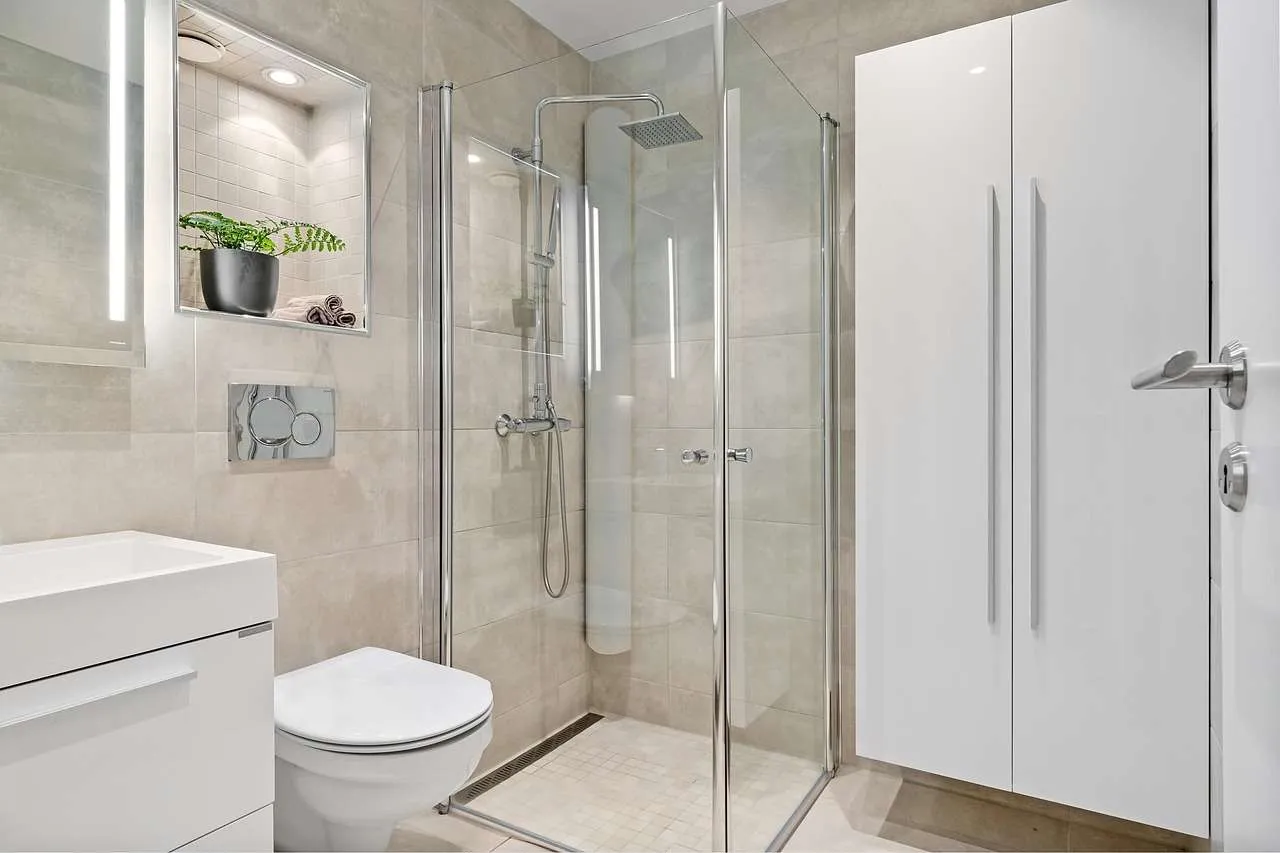
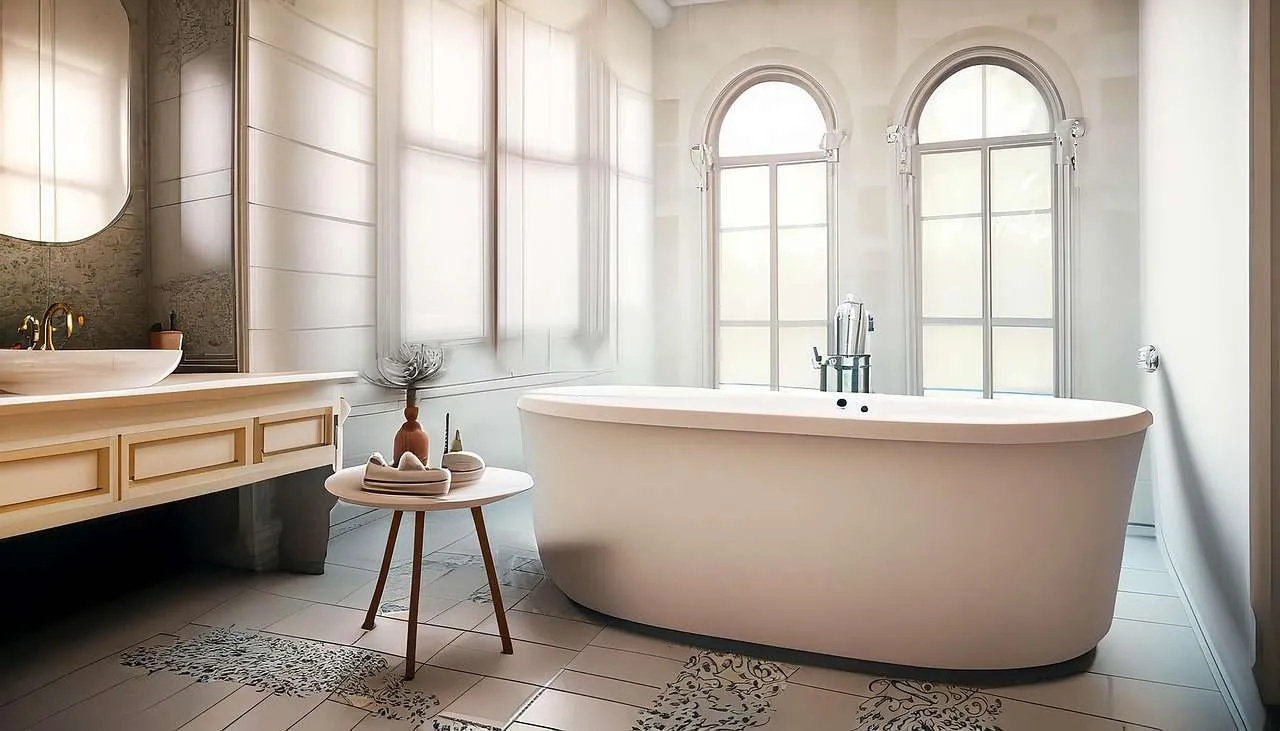
Tile size and layout influence perception. Large-format tiles create a seamless, modern feel but require a flat substrate. Smaller tiles or mosaics offer grip and intricate designs for backsplashes or shower niches. Color schemes range from bright whites and cool neutrals to bold patterns. For grout, choose a color that either blends with the tile for a clean look or contrasts to emphasize lines and geometry. Textured finishes can add depth but may trap soap scum, so balance aesthetics with practicality.
Installation Essentials
Proper installation is critical for longevity. In bathroom zones, a waterproofing layer beneath the tile is essential to prevent leaks. Use a cement backer board in wet areas and install a waterproof membrane behind the tile where required by code. Acclimate tiles to room conditions for 24 to 48 hours before cutting. Choose the right thinset mortar for the tile type and substrate, apply with even coverage, and back-butter large-format tiles to avoid voids. Grout should be sealed when using porous cement-based varieties, and joints must be kept clean during curing to prevent staining.
Maintenance and Cleaning
Regular cleaning with a pH-neutral cleaner helps maintain color and sheen. Avoid acidic or abrasive products that can etch stone or dull glaze. Periodically reseal natural stone and epoxy grout to protect against moisture and staining. Address any substrate movement or cracked tiles promptly to prevent water intrusion and mold growth. For safety, ensure slip resistance ratings align with the bathroom's layout, especially on shower floors and tub surrounds.
Choosing the Right Tile for Your Bathroom
Start with the room's function and exposure. For showers, prioritize water absorption, slip resistance, and durable coatings. For walls, aesthetics and maintenance may take precedence. Measure accurately, request samples, and check color consistency across lots. Consider a professional design consultation to translate ideas into a feasible plan, including substrate preparation, waterproofing details, and installation timelines. A licensed installer or certified craftsman can ensure proper waterproofing and warrant the work, which aligns with EEAT standards for trustworthy guidance.
Tile Comparison
| Material | Water Absorption | Durability | Cost | Maintenance |
|---|---|---|---|---|
| Ceramic | Moderate | Good | Low-Mid | Low to Moderate |
| Porcelain | Low | Excellent | Mid | Low |
| Natural Stone | High (varies) | Variable | High | Moderate to High (sealing) |
Quick Tips for Choosing
- Get samples in your bathroom lighting to judge color and finish accurately.
- Check slip resistance ratings for floor tiles, especially in wet zones.
- Plan grout colors to complement or define design patterns.
- Hire a licensed contractor for waterproofing and tile installation to ensure EEAT-compliant workmanship.
Summary, this article covered the essential factors in selecting bathroom tiles—materials, design, installation, and maintenance. By balancing durability, aesthetics, and proper care, you can achieve a stylish, functional bathroom that lasts for years and withstands humidity, mold, and daily use.