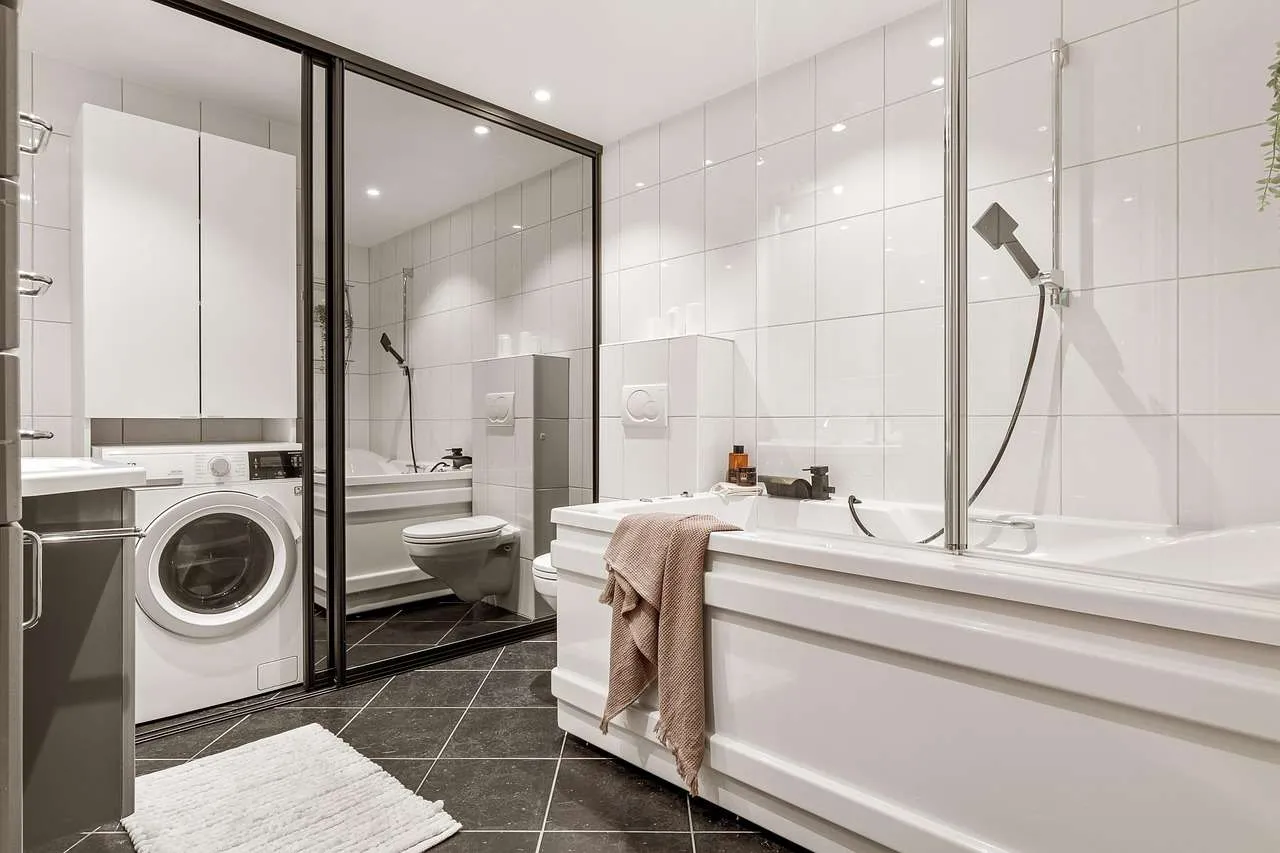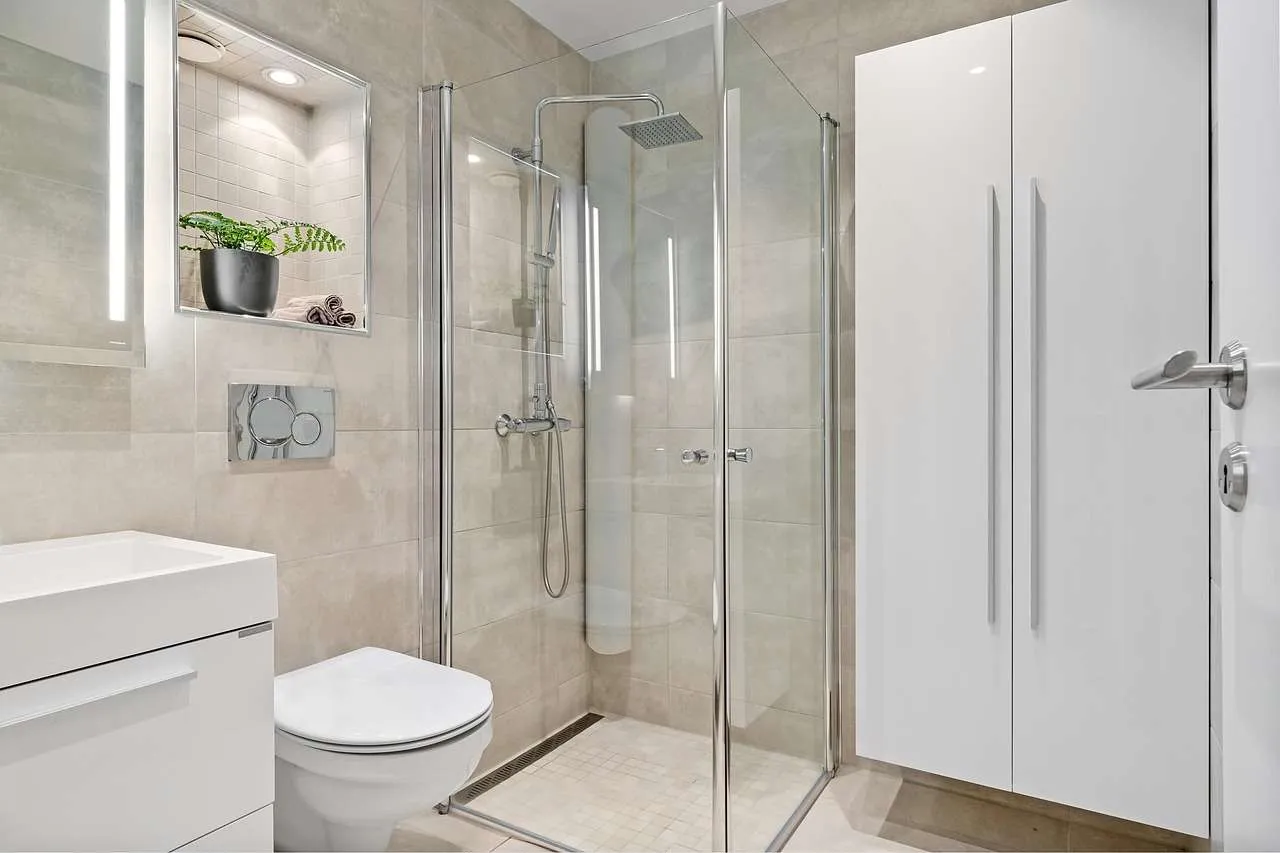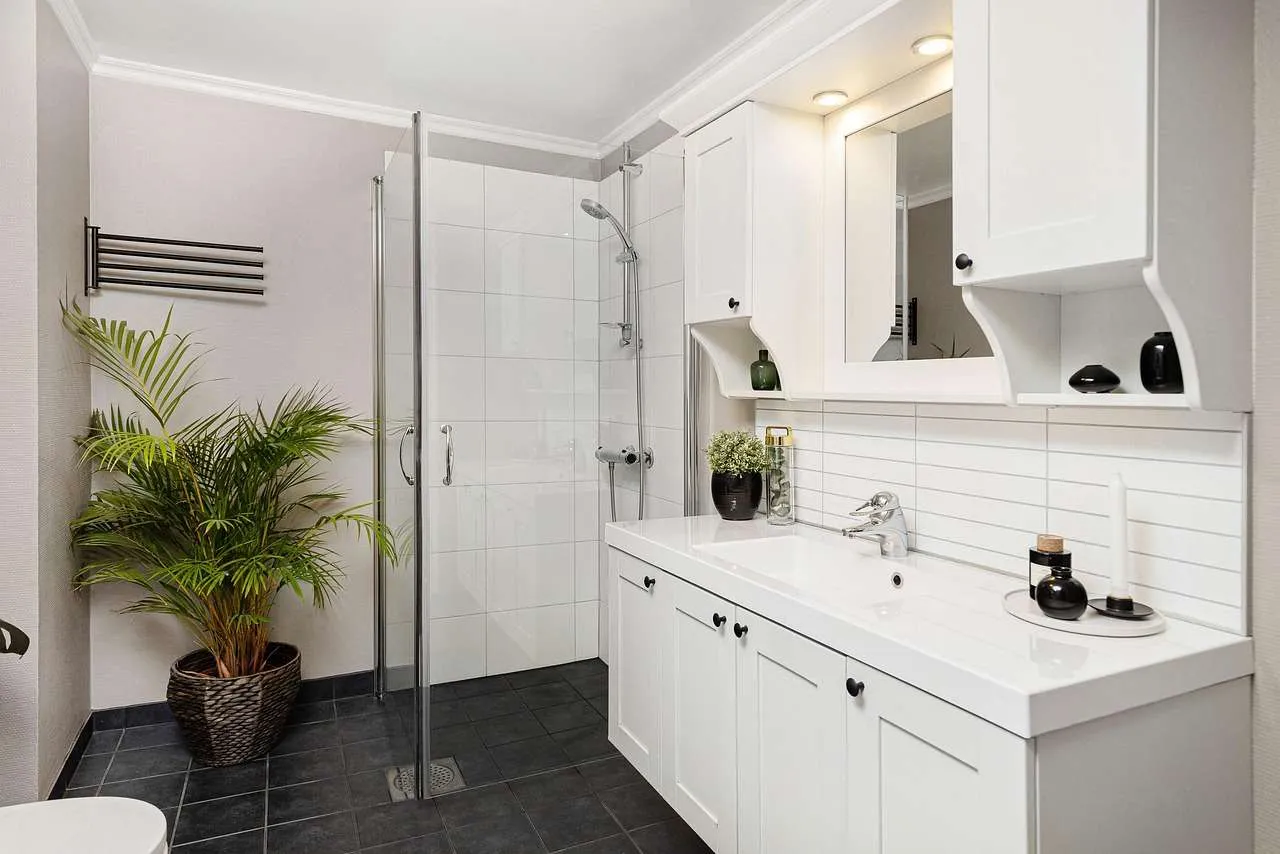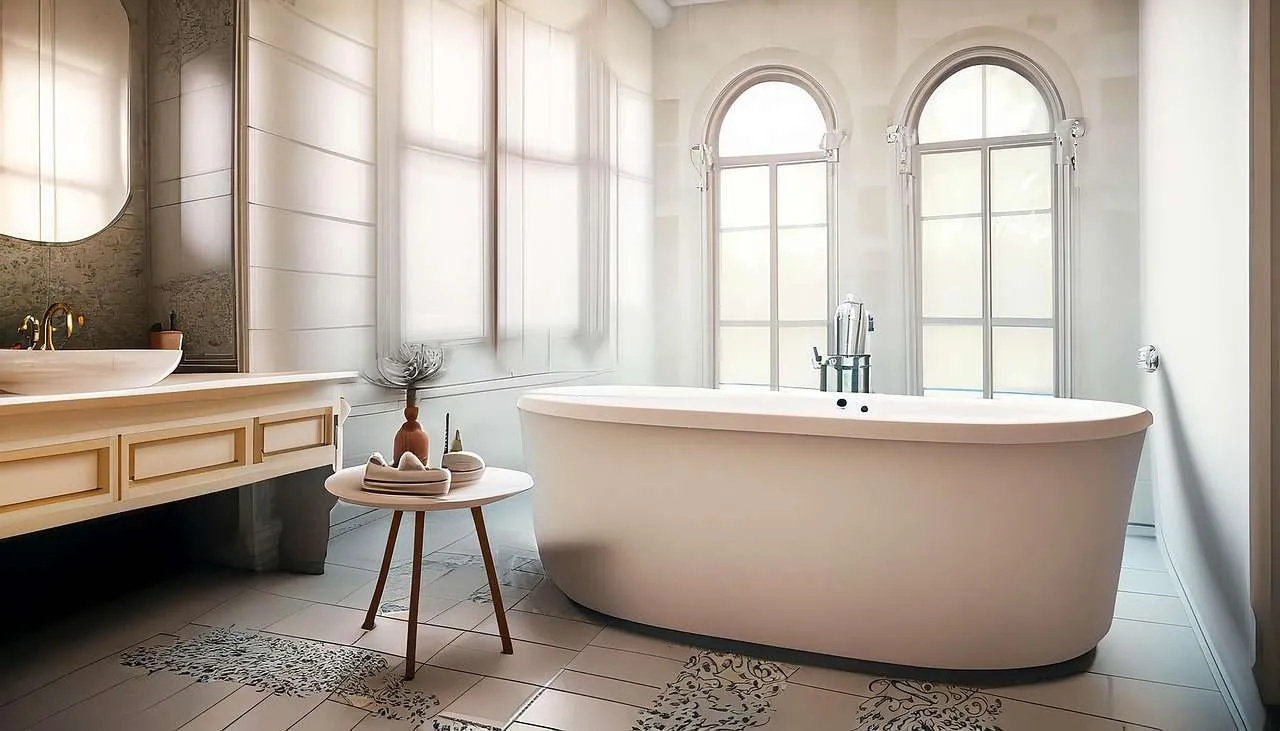
Choosing bathroom tile sets the tone for durability and style in a space that sees daily moisture and high traffic. In this guide, you'll find practical insights on materials, layouts, installation considerations, and maintenance—so you can select a bathroom tile that performs well and looks great for years.
Why choose bathroom tile
Bathroom tile offers moisture resistance, easy cleaning, and design flexibility. With the right tile, you can reduce maintenance, improve slip resistance, and create a cohesive look that ties together sinks, showers, and floors.
Material options
Ceramic tiles are an affordable, versatile choice. They’re fired clay coated with glaze, which makes them durable for walls and light-to-moderate floor use. In bathrooms, ceramic walls are standard, while larger-format ceramic floors require proper subfloor prep to avoid cracking.
Porcelain tiles are denser and less porous than traditional ceramic. They resist water better, wear well in high-traffic zones, and are a popular choice for showers and bathroom floors. The trade-off is a higher price and tougher cutting.
Glass tiles add shine and color depth. They reflect light, enlarge small spaces, and work well as backsplashes or accent strips. Glass is non-porous and easy to wipe, but can be slippery in wet areas and may require professional installation for precise layouts.
Natural stone tiles—such as marble, travertine, or limestone—offer a premium, timeless look. They demand sealing and ongoing maintenance to prevent staining and etching, but each tile is unique and can elevate the style of a bathroom.
Sizes, patterns, and layouts
Tile size influences layout, grout lines, and perceived space. Large-format porcelain or ceramic tiles reduce grout lines and simplify maintenance, while small subway tiles offer retro charm. Consider patterns like herringbone or vertical stacks to change the bathroom's visual emphasis. Always verify slip resistance ratings for floor installations and choose tiles with suitable ADA or ANSI ratings if needed.
Installation considerations
Proper installation starts with a moisture barrier and a suitable substrate. In wet zones, install a waterproof membrane behind tile and use cement backer board or equivalent. Use a quality thin-set mortar appropriate for porcelain if you choose dense tiles. Grout selection matters—epoxy grout offers stain resistance but costs more than cementitious grout. For DIY, ensure you have the right tools and experience; for showers or tub surrounds, professional installation is often safer and yields a better seal.
Grout, sealant, and maintenance
Seal grout to prevent water and stain absorption—especially in high-traffic areas. For many cementitious grouts, reseal every 6–12 months depending on wear and cleaning products. Clean with mild pH-balanced cleaners; avoid harsh acids on natural stone. Resealing may be required for natural stone or porous tiles.
Design ideas
Coordinate tile color and texture with cabinetry and countertops. Light-colored tiles brighten small bathrooms; dark tiles create contrast. Use subway or stacked patterns, diagonal layouts, or a decorative accent strip to add interest. Consider a glass tile mosaic as a focal point in a shower niche or backsplash. Balance texture with matte or high-gloss surfaces to achieve the desired mood.
Comparison table
| Tile Type | Pros | Cons | Best For | Typical Cost per sq ft |
|---|---|---|---|---|
| Ceramic | Affordable, versatile, easy to cut | Chips more easily than porcelain | Walls and light-use floors | $1-$5 |
| Porcelain | Dense, highly water-resistant, durable | Harder to cut, pricier | Showers, floors, high-traffic areas | $2-$8 |
| Glass | Vibrant color, easy to clean, reflective | Slippery when wet, higher cost | Backsplashes, decorative accents | $4-$16 |
| Natural Stone | Premium look, unique natural variation | Sealing required, higher maintenance | Showers, feature walls, luxury baths | $5-$20 |
Hiring tips and budgeting
Budget typically includes tile cost, adhesive, grout, waterproofing, and labor. Get multiple quotes and ask about warranties. Check references and require a written scope of work. For DIY enthusiasts, ensure you have proper safety gear and tools. If you lack experience with wet areas, hire a licensed tile installer who specializes in bathrooms.
- Clarify scope: walls, floors, niches, and trims.
- Check waterproofing requirements, especially in showers.
- Request samples and verify slip resistance ratings.
- Consider maintenance requirements and sealing needs for chosen materials.
Conclusion, when selecting bathroom tile, balance price, durability, and design. Proper installation, quality grout, and a thoughtful layout will ensure a tile installation that lasts and remains visually appealing for years.
Summary: This guide reviewed material options, installation considerations, maintenance, and design ideas to help you choose the right bathroom tile for durability and style.